
More Housing For A More Affordable Colorado
By Zach Martinez, Director of Policy and Advocacy, and Catherine Toner, Managing Director of Impact Investing
This piece is part of our 50th anniversary perspective series, in which Gary staff will share some of our biggest priorities for the next nine years. Read the first piece in this series, a message from our co-founder Nancy Gary.
Since Colorado’s Schools to Home program opened in the summer of 2026, 85 public school employees have applied for help buying their first home.
Every one of those applications represents a household making a decision to stay in their school, in their neighborhood and in their state. And every application is a reminder of how close so many Coloradans are to owning a home, and how thin the margin is that keeps them out of it.
We are not there yet, but we know more about how to get there than we did a decade ago.
Where We Started
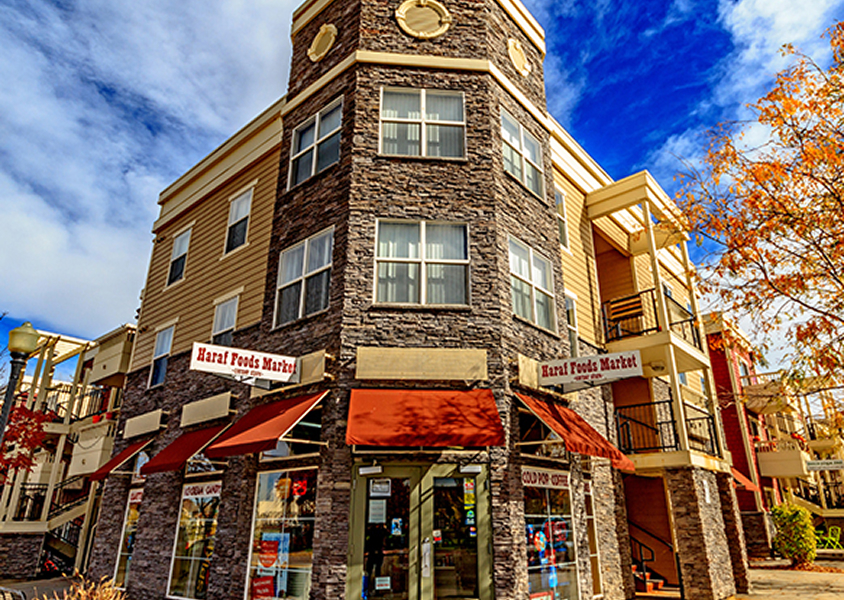
Sam Gary saw that metro Denver was pricing out the teachers, first responders and service workers who made the city run. So Gary incubated the Urban Land Conservancy, an urban land bank that acquires real estate near transit and community assets and holds it for the long term, often under 99-year renewable ground leases that keep the land permanently affordable. That work later informed Elevation Community Land Trust, which brings the land bank model to homeownership.
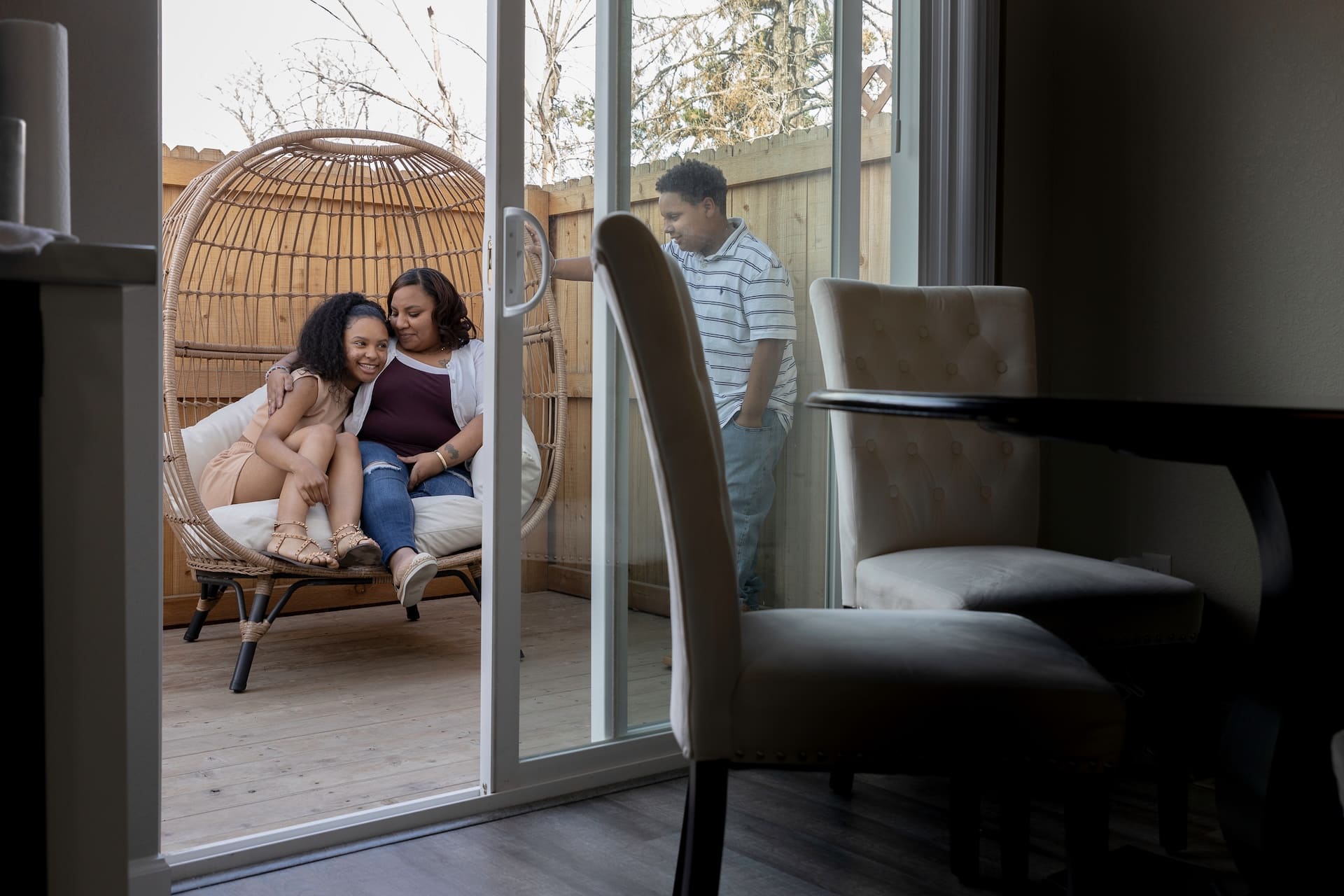
In 2021, Gary launched the Dearfield Fund, which offers down-payment assistance to first-time homeowners through a shared appreciation model that returns capital to the fund as homes appreciate. More than 230 Colorado families are in their first home because of the Dearfield Fund.
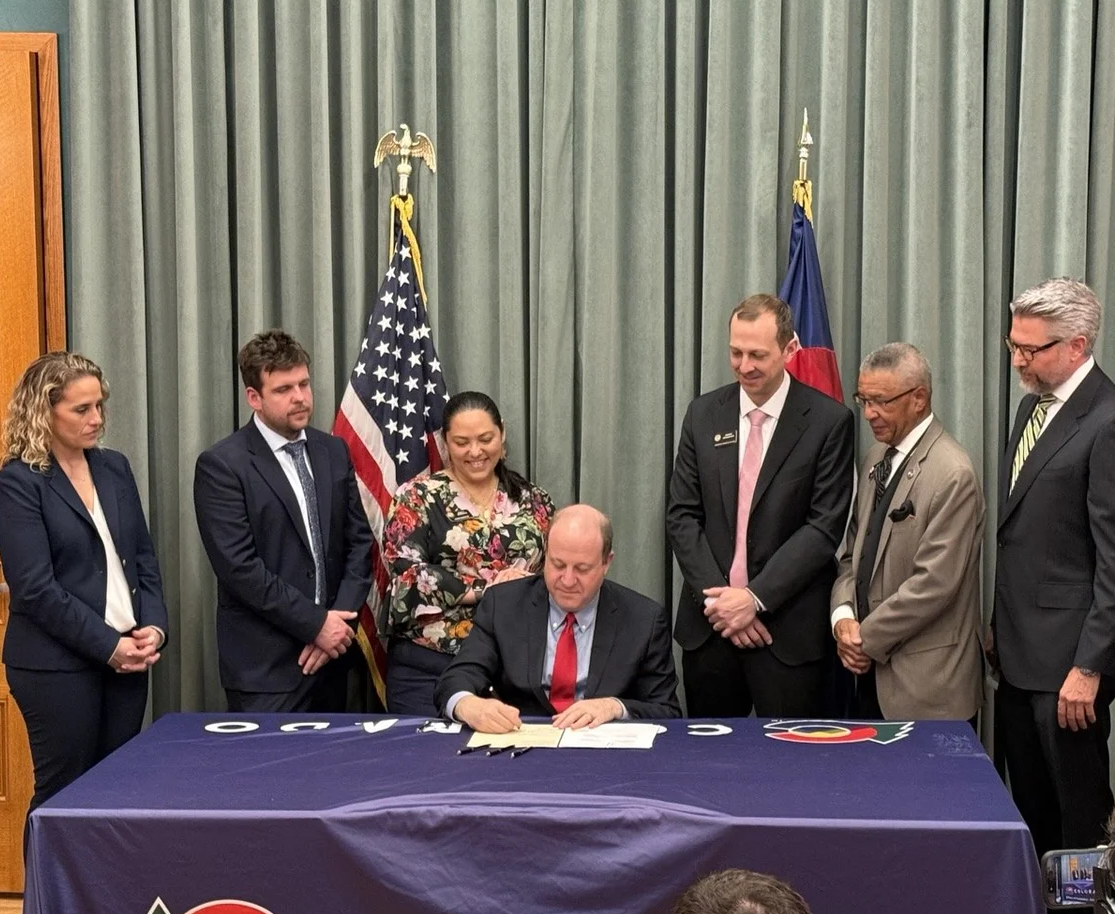



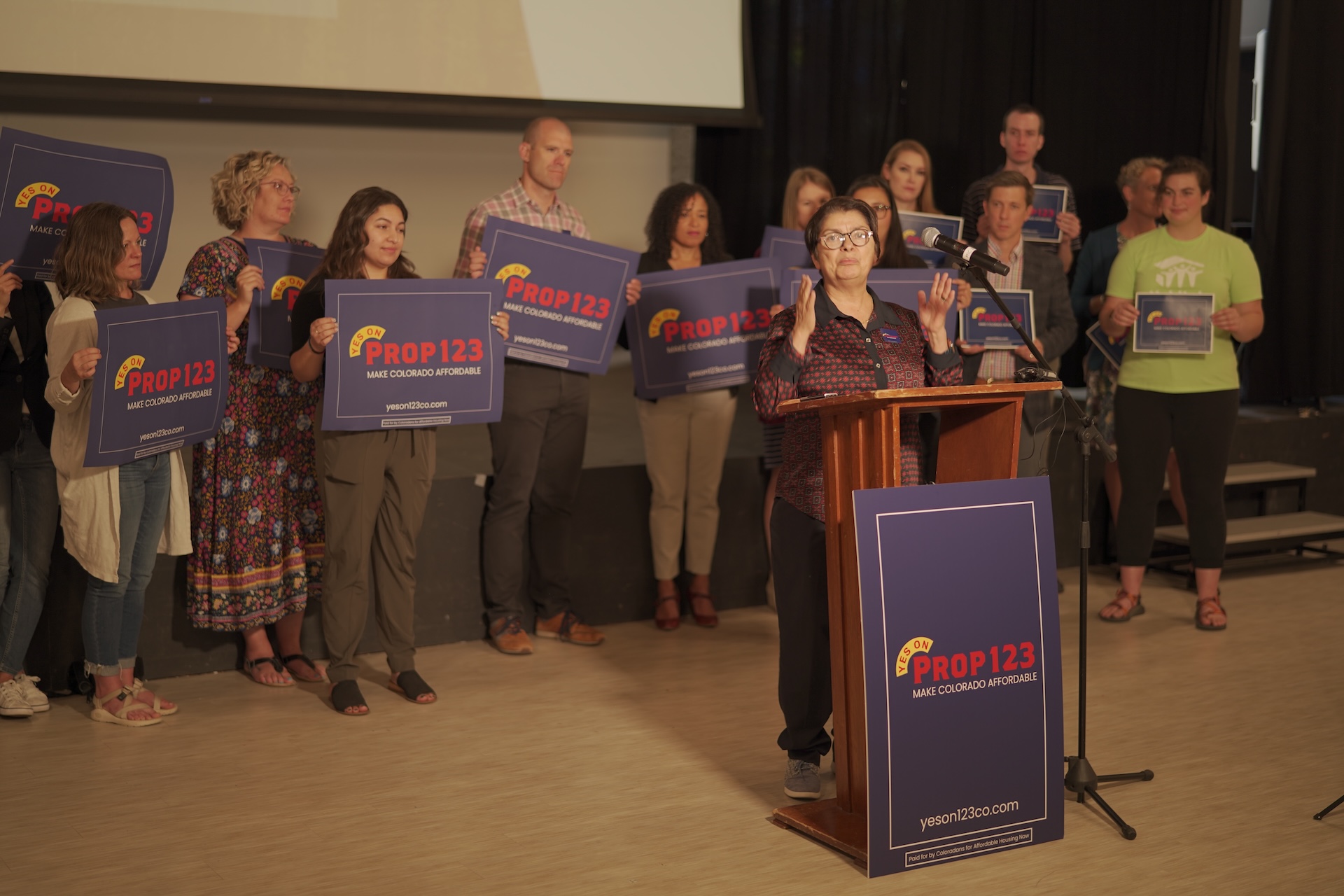


The following year, Gary Advocacy helped lead the campaign that passed Proposition 123, which dedicates roughly $300 million a year to housing without raising taxes. Local governments representing more than 90% of Coloradans have opted in, and the State has moved $1 billion into the housing market.
Prop 123 also created room to try things that had never been tried. In January 2026, that opportunity produced Colorado Renter Rewards, the nation’s first tenant equity program to be implemented statewide with public funding. Renters in participating properties earn cash back for on-time rent payments, a savings match and a share of the appreciation of the buildings they live in. It is a small program today, just 66 households are participating, but it is proof that the wall between renting and wealth-building is a policy choice, not a law of nature.
And in the last two legislative sessions, the legislature passed two laws we believe will matter for years: the HOME Act (House Bill 26-1001), which clears the way for nonprofits, school districts, colleges, housing authorities and transit agencies to build homes on land they already own, and Schools to Home (Senate Bill 25-167), which uses public dollars to offer down-payment assistance to public school employees.
Schools to Home uses the same shared-equity model as the Dearfield Fund but, instead of private investment, the program is publicly funded. This is an example of how we think philanthropy should work: fund and pilot a new initiative and then use those learnings to inform a publicly funded, scalable solution.
The Work Ahead
Despite recent progress, Colorado is still short by conservative estimates of 300,000 homes overall and more than 175,000 units affordable to our lowest-income neighbors, and we are losing roughly one existing affordable unit for every two we build.
Colorado needs more units. Every tool we have — every down payment, every voucher, every equity share — works better in a state that builds enough homes, and works far less in one that doesn’t. That means protecting the Prop 123 revenue stream against the pressures of hard budget years, implementing the HOME Act well enough that nonprofits and school districts actually use it, preserving the affordable homes we already have, and continuing to clear the code, permitting and financing barriers that make small-scale, starter-priced homes uneconomical to build in Colorado.
Ownership must be a priority. Colorado’s homeownership story is trending downward while our rental story improves. Nationally, first-time buyers are a record-low share of the market and their median age has climbed to 40. In metro Denver, owning the median home now costs roughly $2,000 more a month than renting it. A generation of Coloradans is being told, in effect, to wait — and the wealth they aren’t accumulating in the meantime is wealth their children won’t inherit.
We need more revolving capital to invest in solutions that work. Take, for example, a shared equity down payment fund in which a public or philanthropic partner makes an initial investment and receives a small share of the home’s appreciation. Buyers receive down payment capital and, because the capital comes back to the fund with a small amount of appreciation, it can be lent again to another homebuyer. Dearfield proved the model with philanthropic investment. Schools to Home is scaling the model with public investment.
We can’t do this alone, and we never have.
Eighty-five applications in two months, from one profession, with one funding source. Now imagine it for child care workers. For nurses. For the people who keep our communities running and can’t afford to live in them.
That is not a hypothetical. It is a design question, and Colorado is unusually good at answering those.
None of what’s above happened because one organization willed it. It happened because advocates championed for communities, because developers took risks, because state agencies built programs that worked, because legislators from both parties carried bills through hard sessions, because voters said yes, and because families trusted new programs.
To follow our future housing work and to be a part of the effort to protect what we have done, partner with us.
Share this post
Related Articles
We can all share in Colorado’s prosperity
Creating a Colorado where every family is financially resilient
Brave Leaders And Big Bets
Creating an early childhood system where kids and families thrive
Philanthropy Is An Act of Love
Nancy Gary, co-founder of Gary Community Ventures, marks the organization’s 50th year and looks to the future.
What does it really take for a family to get ahead?
We talk a lot about what families need to make ends meet. We talk far less about what they need to actually get ahead.