
Universal Childcare Is Possible
If we come together as a community, we can deliver
August 31, 2026
By Anna Jo Garcia Haynes and Nancy Gary
Denver’s school-age children — and many preschoolers — are heading into classrooms that are colorful, innovative and often supported by public funding. But how are our youngest children?
While families do have more access to preschool and kindergarten, thousands of infants and toddlers still wait for a quality, dependable childcare room to welcome them.
Some are on lengthy waitlists. Some are waiting for their parents to find affordable care that enables going to work or school. Others are waiting for a classroom to reopen or a trusted caregiver to open their home because a broken system that costs families too much, brings in too little to pay caregivers what they deserve.
As families patch together childcare arrangements, caregivers cobble together resources needed to provide care — and children sit and wait. They deserve better. And if we come together as a community, we can deliver.
Now is the time, and we are grateful Mayor Johnston has prioritized childcare for every family in Denver. While we’re honored that he created the Haynes-Gary Childcare Task Force, we won’t rest until the promise of an affordable, accessible high-quality childcare system is delivered to children, families and caregivers.
Ambitious promises do not transform systems. People do.
Denver’s greatest early childhood achievements began when public leaders listened to the community. The Denver Preschool Program (DPP) was built through years of dialogue with families, educators and community partners. By 2006, that work had forged a broad coalition and a vision that reflected Denver’s values. Collaboration, trust and persistence made the program possible. Today, it is a nationally recognized model with valuable lessons for Denver’s ambitions.
Over the next several months, we will join the city in asking families, providers, educators, employers and community members to describe what is working, what is not and what they need from a better childcare system. Those conversations cannot be treated as a procedural step toward a predetermined plan. They must shape the plan — including how it is funded, implemented and measured.
First, make life easier for families. Second, value the people providing care.
The entire approach should help prepare children for school and lifelong success, and we urge Mayor Johnston and our fellow task force members to listen closely and measure every recommendation against two critical standards.
First, make life easier for families.
Parents often have to navigate Head Start, the Colorado Child Care Assistance Program, the Denver Preschool Program, universal preschool and other programs, each with different rules, applications and entry points. Families with the least time and fewest resources often face the greatest burden.
We do not ask families of school-age children to navigate such complexity or shoulder the full cost of attending public school. Why should we expect families with younger children to do precisely that?
Imagine a system with one application, one clear answer about the assistance a family qualifies for and one seamless way to receive it.
Second, value the people providing care.
With 61 of Colorado’s 64 counties lacking enough licensed childcare centers to serve their communities, half of Colorado’s childcare is provided by family, friends and neighbors who receive little or no compensation.
We must pay and support all educators, including these trusted caregivers. Doing so will strengthen the workforce, expand care options and honor the choices families make.
Denver’s first community listening session made the stakes clear. Families want to live, work and give their children a strong start in Denver. Providers want to open classrooms that serve their neighborhoods while earning a living wage. For both, the cost and lack of funding stand in their way.
The city’s next listening session is Aug. 31, with additional meetings scheduled and opportunities to provide input online. We encourage families, caregivers, providers, employers and neighbors to participate—not to applaud the city for listening, but to demand a plan that reflects the needs of those living with a badly broken system.
Together, we can ensure the mayor, the task force and everyone at the table listens with humility, acts with courage and responds honestly about the barriers that remain.
As Denver’s students return to school, let’s remember the younger children still waiting for a place to learn and grow — and challenge our leaders to build the childcare system our community deserves.
Perhaps the next time we ask, “how are the children?” Denver can say they are learning, growing and thriving.

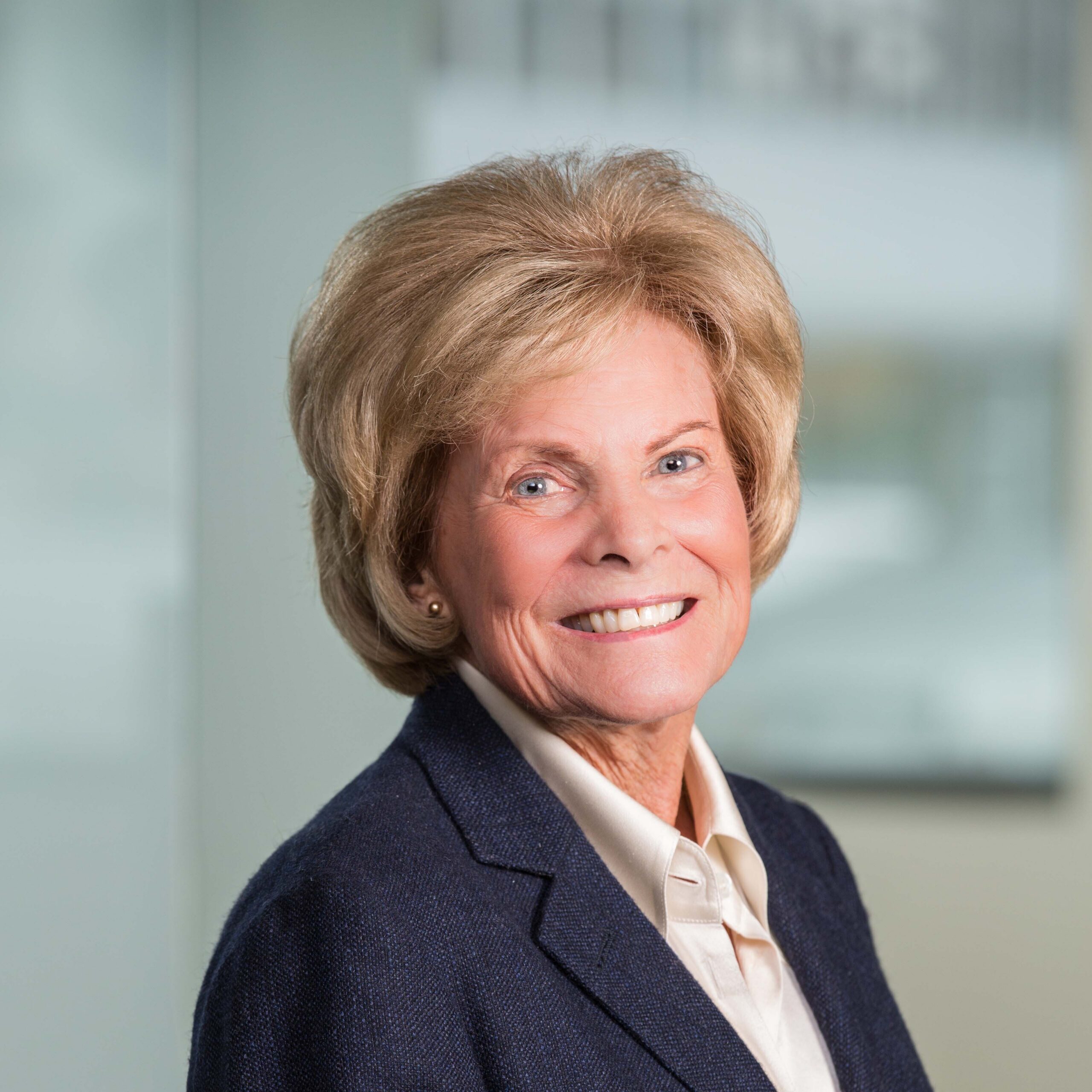
Anna Jo Garcia Haynes, of Denver, is president emeritus of Mile High Early Learning. Nancy Gary, of Denver, is co-founder of Gary Community Ventures.
Share this post
Related Articles
Child Care. Strong Schools. Stable Homes. They’re On The Ballot.
A Colorado Where Families Thrive Starts at the Ballot Box
We can all share in Colorado’s prosperity
Creating a Colorado where every family is financially resilient
Brave Leaders And Big Bets
Creating an early childhood system where kids and families thrive
Philanthropy Is An Act of Love
Nancy Gary, co-founder of Gary Community Ventures, marks the organization’s 50th year and looks to the future.